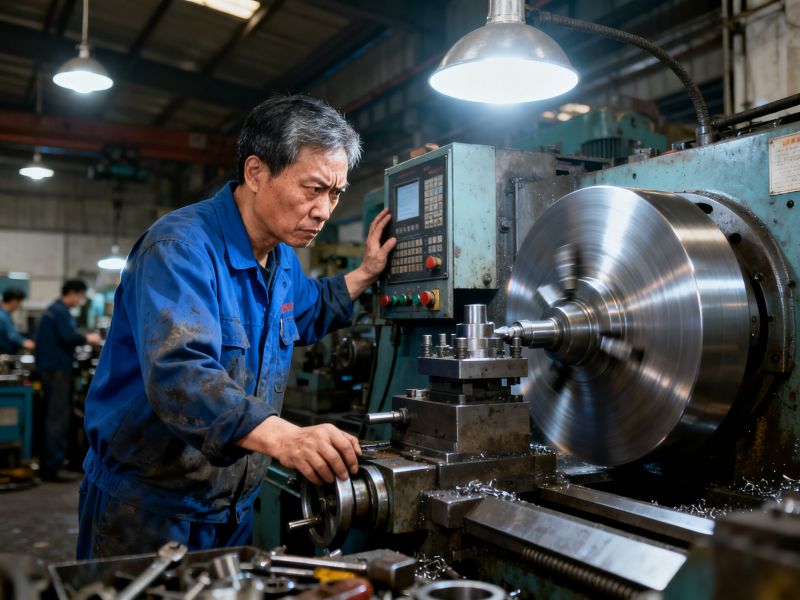
Empoli rarely tops a tourist itinerary. The bus from Florence drops you at a roundabout ringed by discount stores and a concrete station, and for a moment you wonder why anyone would stop here. Then you notice the light — the same flat。generous Arno light that painters chase through the Val d’Elsa — bouncing off the embankment and into the side streets. This is a working town, not a museum piece, and that is precisely its appeal. Walk ten minutes from the station and you hit the old center, where a brick-faced church and a modest piazza anchor a grid of narrow lanes. Nobody is selling selfie sticks.Glass is the quiet thread running through Empoli’s history. By the thirteenth century。local furnaces were producing drinking vessels and bottles for the Florentine market, and the industry never really left. I ducked into a small workshop near Via Ridolfi where a maestro shaped a goblet from a glowing gather in under two minutes, his wooden tools worn into personal curves. He told me that Empoli glass in the 1960s meant cheap green bottles by the truckload;
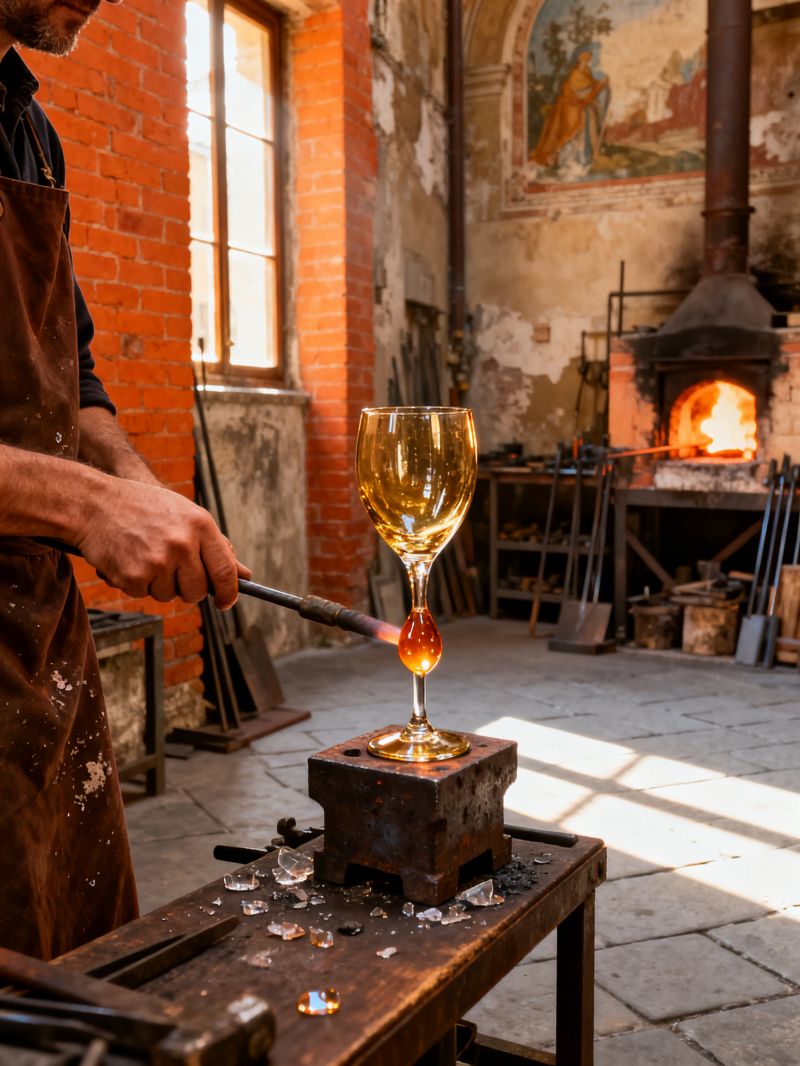
today it means limited-run green bottles with a price tag to match. That shift from volume to craft happened across Tuscany, but in Empoli it feels less like a rebrand and more like a stubborn inheritance.The town’s architectural centerpiece, the Collegiata di Sant’Andrea, betrays a different ambition. Originally Romanesque, its facade gained a neo-Gothic marble dress in the nineteenth century — an odd, endearing hybrid that locals defend with a shrug. Inside, a small museum holds a fragment of the True Cross in a gilded reliquary, along with paintings by pupils of Botticelli and a rather ferocious sixteenth-century crucifix. The attendant, a retired schoolteacher named Luciana, pointed out that the museum’s most valuable holdings sit behind a wooden door that once guarded a grain store. Empoli never had the Medici fortune;it had grain。boats, and bottle makers, and its art reflects that modest, practical patronage. I found this more moving than a gallery full of prima stas.Then there is the war. In 1944, the retreating German army rigged explosives under nearly every bridge and building along the Arno;the center of Empoli was reduced to rubble. Reconstruction came fast and utilitarian, which explains the postwar apartment blocks that crowd the river’s edge. Yet the town kept its library and its collective memory intact — a quiet stubbornness I noticed again when I asked a barista how locals view the tourists who pass through for half a day. He wiped the counter and said。“They see the station. We see the morning” Empoli does not perform its Tuscan identity;
it simply lives inside it, glass furnaces and grain silos and all.What stays with me is the walk back to the station at dusk。past an old mill that now houses a design studio, the smell of river mud and hot metal mixing in the air. Empoli is not beautiful in the postcard sense, but it is honest — a place where craft has survived economic logic, where a church’s marble face hides a Romanesque soul. If you go, skip the guidebook highlights and spend an hour in a glass workshop instead. The maestro will not talk about “heritage” He will show you the burn on his forearm and tell you it took twenty years to learn that curve.